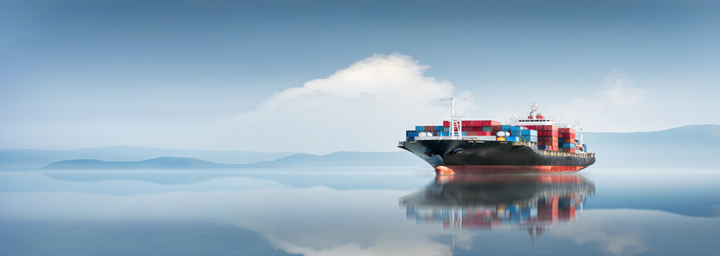
In the early hours of March 26, the Singapore-flagged ship Dali, loaded with 5,000 containers, slammed into Baltimore’s Francis Scott Key Bridge, causing the 1.6-mile (2.5-kilometer) bridge to collapse in a matter of seconds. The Dali was departing for Colombo when the disaster struck. Initial fears were confirmed that half a dozen people lost their lives in the accident.
The blockade of vessel traffic at the crucial Port of Baltimore in the US after the collapse of the Francis Scott Key bridge could have a ripple effect chiefly on the global automotive vehicle and coal supply chain as operations at the port are expected to remain shut for months.
This comes close on the heels of major shipping disruption such as the Red Sea crisis and the drought in the Panama Canal that has already hit over one-third of the global goods trade at a time when WTO has predicted weak upward momentum in trade in 2024.
Along with being the top U.S. port for autos, Baltimore is also the nation’s furthest inland port.
For cars, it would make sense to expect some degree of disruption with the No. 1 port out of commission, at least along the East Coast. To the extent that the average American notices supply chains, interruptions will be minimal to nonexistent, experts interviewed for this story said. There will be added costs and delays in diverting traffic to other ports, but logistics professionals are likely scrambling to minimize the impacts.
In the near future, ships are likely to be diverted to other major ports on the East Coast, all of which are larger than Baltimore’s and have the capacity to handle an increase in traffic.
People who are in supply chain are good at being resilient, or they’ve become good at being resilient since the pandemic, at least. So, they’ll continue to move it around until they find a way to go without a problem. However, each of these steps is going to add cost. And so, it is one more disruption.
Reference:
https://www.bbc.com/news/world-us-canada-68706452
Today we announce that Exim is rebranding as ExSyn. We are presenting a new brand identity and website as a reflection of our relentless transformation over the course of 30 years serving the pharma and chemical industries. The new brand builds upon our core strengths as a sourcing company and captures our most essential duty: helping improve people’s health and lives.
A significant uptick in M&A activity in the biosimilars sector is being driven by FDA regulatory reforms, a maturing patent litigation framework and a looming patent cliff — $200 billion of branded products are facing patent expiration by 2030.
The Drewry World Container Index edged lower this week as falling Asia-Europe rates outweighed firmer pricing on the Transpacific, with carriers preparing another round of blank sailings ahead of China’s Golden Week holiday.
Diacetone Alcohol (DAA) is an aliphatic hydroxy ketone produced through the base-catalysed aldol addition of two acetone molecules. It contains both ketone and tertiary hydroxyl functionalities, offering excellent solvency and chemical reactivity.
As a high-boiling oxygenated solvent and valuable chemical intermediate, DAA finds broad application in paints and coatings, printing inks, adhesives, industrial cleaning, cosmetics, and textiles. It is also used as an intermediate in the production of mesityl oxide and MIBK. (4-methylpentan-2-one).