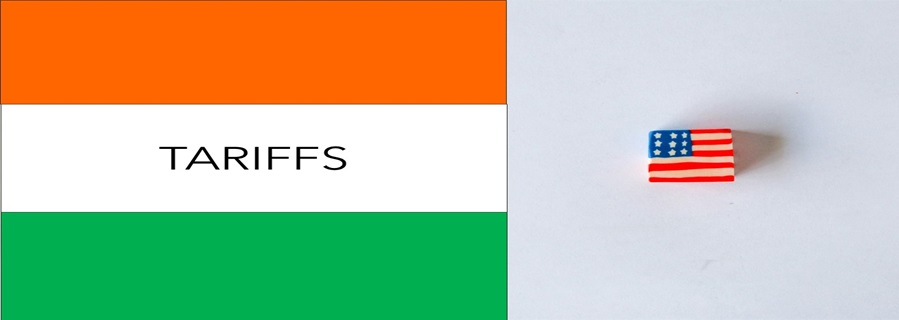
Donald Trump’s tariffs of 50% have come into force on most US imports from India. India’s giant generic pharmaceuticals sector and its electronics and petroleum products are exempt from the tariffs. Aluminium, steel and copper remain at 25%, but job-heavy sectors such as textiles, jewellery, seafood and leather are squarely in the line of fire.
A U.S. Customs and Border Protection notice to shippers, opens new tab provides a three-week exemption for Indian goods that were loaded onto a vessel and in transit to the U.S. before the midnight deadline. Also exempted are steel, aluminum and derivative products, passenger vehicles, copper and other goods subject to separate tariffs of up to 50% under the Section 232 national security trade law.
The US has exempted the Indian pharma industry from immediate tariff raise, recognizing the importance of generic medications for affordable healthcare. Despite 50% tariff on other imports, experts suggest the US heavily relies on India for pharma, with potential repercussions for healthcare costs.
For more details, please visit:
How hard will Trump’s 50% tariff hit India, and what is Delhi doing about it? | India | The Guardian
Trump’s doubling of tariffs hits India, damaging ties | Reuters
Today we announce that Exim is rebranding as ExSyn. We are presenting a new brand identity and website as a reflection of our relentless transformation over the course of 30 years serving the pharma and chemical industries. The new brand builds upon our core strengths as a sourcing company and captures our most essential duty: helping improve people’s health and lives.
A significant uptick in M&A activity in the biosimilars sector is being driven by FDA regulatory reforms, a maturing patent litigation framework and a looming patent cliff — $200 billion of branded products are facing patent expiration by 2030.
The Drewry World Container Index edged lower this week as falling Asia-Europe rates outweighed firmer pricing on the Transpacific, with carriers preparing another round of blank sailings ahead of China’s Golden Week holiday.
Diacetone Alcohol (DAA) is an aliphatic hydroxy ketone produced through the base-catalysed aldol addition of two acetone molecules. It contains both ketone and tertiary hydroxyl functionalities, offering excellent solvency and chemical reactivity.
As a high-boiling oxygenated solvent and valuable chemical intermediate, DAA finds broad application in paints and coatings, printing inks, adhesives, industrial cleaning, cosmetics, and textiles. It is also used as an intermediate in the production of mesityl oxide and MIBK. (4-methylpentan-2-one).