INTRODUCTION
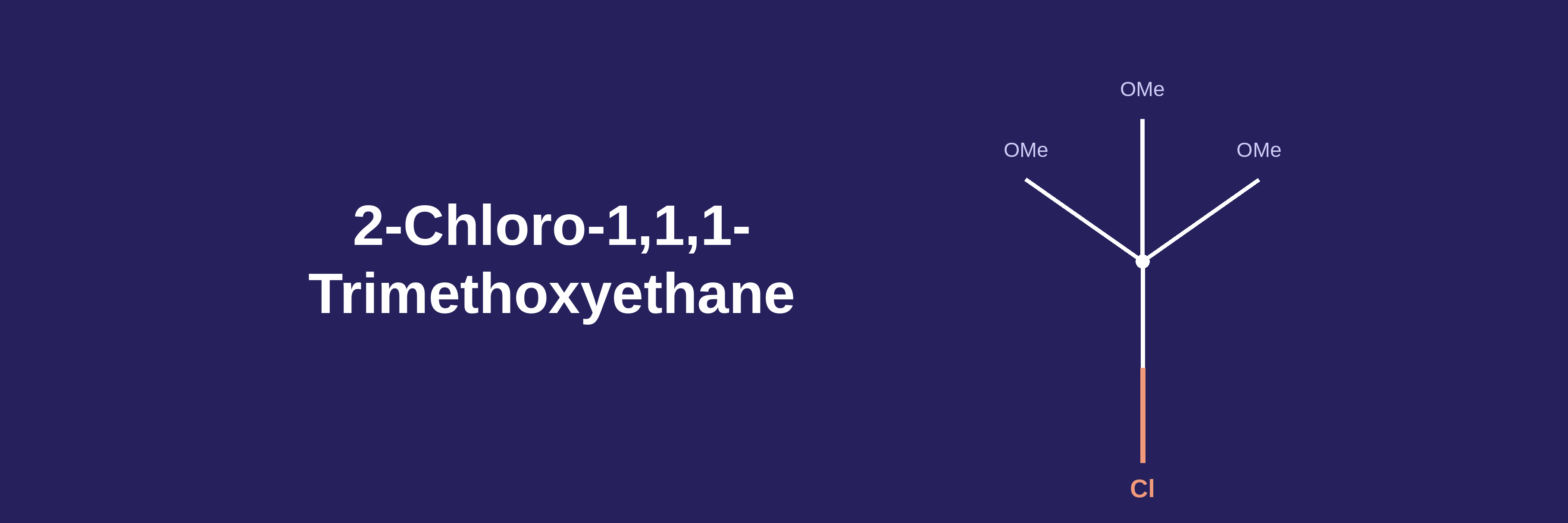
2-Chloro-1,1,1-trimethoxyethane is an organochlorine orthoester compound commonly used as a versatile synthetic intermediate in organic and pharmaceutical chemistry. It is a colorless to pale yellow liquid with good reactivity toward nucleophilic substitution and cyclization reactions, making it valuable in the preparation of heterocyclic and bioactive molecules.
MANUFACTURE
2-Chloro-1,1,1-trimethoxyethane is typically manufactured through the reaction of chloroacetaldehyde derivatives or chlorinated acetals with methanol under acidic catalytic conditions, resulting in the formation of the corresponding trimethoxy orthoester. The process is conducted under controlled temperature and moisture-free conditions to maximize product purity and minimize hydrolysis of the orthoester functionality.
| Synonyms | 1,1,1-Trimethoxy-2-chloroethane, 2-chloro-1,1,1-trimethoxyethane |
| CAS no. | 74974-54-2 |
| EINECS no. | 629-378-0 |
| Molecular formula | C₅H₁₁ClO₃ |
| Molecular weight | 154.59 g/mol |
| Structure | 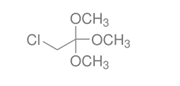 |
APPLICATIONS
Chemical intermediate in the synthesis of:
| Intermediate for the synthesis of pharmaceutical compounds and drug candidates. |
| Preparation of heterocyclic compounds such as oxadiazoles and quinazolinones. |
| Used in synthesis of Agrochemicals. |
| Specialty chemical synthesis. |
| Chloromethylating building block in organic synthesis. |
| Research and development involving fine chemicals and advanced intermediates |
SPECIFICATIONS
| Test | Unit | Specification |
|---|---|---|
| Appearance | – | Colorless lo yellow liquid |
| Identification by IR | – | Conforms to structure |
| Water Content by KF | (%w/v) | NMT 0.5 |
| Purity by GC | % | NMT 97 |
| Deschloro Impurity | % | NMT 0.5 |
| Any Unspecified Impurities | % | NMT 1.0 |
| Total Impurities | % | NMT 3.0 |
PACKING
Compliant with international regulations
STORAGE
Store the product in tightly sealed containers in a cool, dry, and well-ventilated area away from heat, sparks, open flames, and moisture. Recommended storage temperatures are typically 2–8°C or refrigerated conditions. Containers should be protected from direct sunlight and exposure to water, as orthoesters may hydrolyze in the presence of moisture.
REACH status
Not registered
ExSyn offers 2-Chloro-1,1,1-trimethoxyethane on commercial scales and welcomes enquiries. Our exceptional quality and service will make ExSyn your supplier of choice! If you need additional information or SDS, please contact us.
Today we announce that Exim is rebranding as ExSyn. We are presenting a new brand identity and website as a reflection of our relentless transformation over the course of 30 years serving the pharma and chemical industries. The new brand builds upon our core strengths as a sourcing company and captures our most essential duty: helping improve people’s health and lives.
A significant uptick in M&A activity in the biosimilars sector is being driven by FDA regulatory reforms, a maturing patent litigation framework and a looming patent cliff — $200 billion of branded products are facing patent expiration by 2030.
The Drewry World Container Index edged lower this week as falling Asia-Europe rates outweighed firmer pricing on the Transpacific, with carriers preparing another round of blank sailings ahead of China’s Golden Week holiday.
Diacetone Alcohol (DAA) is an aliphatic hydroxy ketone produced through the base-catalysed aldol addition of two acetone molecules. It contains both ketone and tertiary hydroxyl functionalities, offering excellent solvency and chemical reactivity.
As a high-boiling oxygenated solvent and valuable chemical intermediate, DAA finds broad application in paints and coatings, printing inks, adhesives, industrial cleaning, cosmetics, and textiles. It is also used as an intermediate in the production of mesityl oxide and MIBK. (4-methylpentan-2-one).