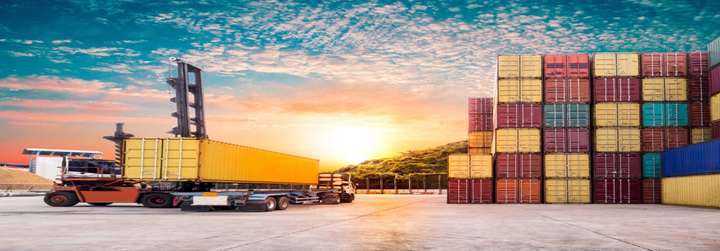
The floating traffic jams off ports. The multiplying costs of moving freight. The resulting shortages of goods. All of this had seemed like an unpleasant memory confined to the COVID-19 pandemic. But no such luck!
The intensifying upheaval in shipping is prompting carriers to lift rates while raising the specter of waterborne gridlock that could again threaten retailers with product shortages during the make-or-break holiday shopping season.
If the supply chain disturbances of the pandemic proved anything, it was this: Trouble in any one place tends to ripple out widely.
The maritime industry is grappling with the repercussions of escalating sea freight costs, which are significantly impacting the global trade. The rising costs are attributed to a combination of factors including heightened demand, geopolitical disruptions & logistical challenges.
Global container shipping fees have surged by 12% with routes from Asia to Europe witnessing increases of 11-14%. The overall increase in international container shipping rates exceeds 70% compared to the same period last year and is over 110% higher than pre-pandemic levels. The Red Sea conflicts, a shortage of empty containers, and surging transportation demands are poised to drive sea freights to levels reminiscent of the COVID-19 peak.
The current situation requires coordinated efforts. Enhanced regulatory framework, strategic collaborations will be crucial in navigating the turbulent waters of the global trade. In the face of such challenges, global supply chains’ resilience and adaptability will be tested.
The solutions devised today will shape the future of international trade, determining how effectively the world can respond to and recover from economic disruptions.
Reference:
Today we announce that Exim is rebranding as ExSyn. We are presenting a new brand identity and website as a reflection of our relentless transformation over the course of 30 years serving the pharma and chemical industries. The new brand builds upon our core strengths as a sourcing company and captures our most essential duty: helping improve people’s health and lives.
A significant uptick in M&A activity in the biosimilars sector is being driven by FDA regulatory reforms, a maturing patent litigation framework and a looming patent cliff — $200 billion of branded products are facing patent expiration by 2030.
The Drewry World Container Index edged lower this week as falling Asia-Europe rates outweighed firmer pricing on the Transpacific, with carriers preparing another round of blank sailings ahead of China’s Golden Week holiday.
Diacetone Alcohol (DAA) is an aliphatic hydroxy ketone produced through the base-catalysed aldol addition of two acetone molecules. It contains both ketone and tertiary hydroxyl functionalities, offering excellent solvency and chemical reactivity.
As a high-boiling oxygenated solvent and valuable chemical intermediate, DAA finds broad application in paints and coatings, printing inks, adhesives, industrial cleaning, cosmetics, and textiles. It is also used as an intermediate in the production of mesityl oxide and MIBK. (4-methylpentan-2-one).