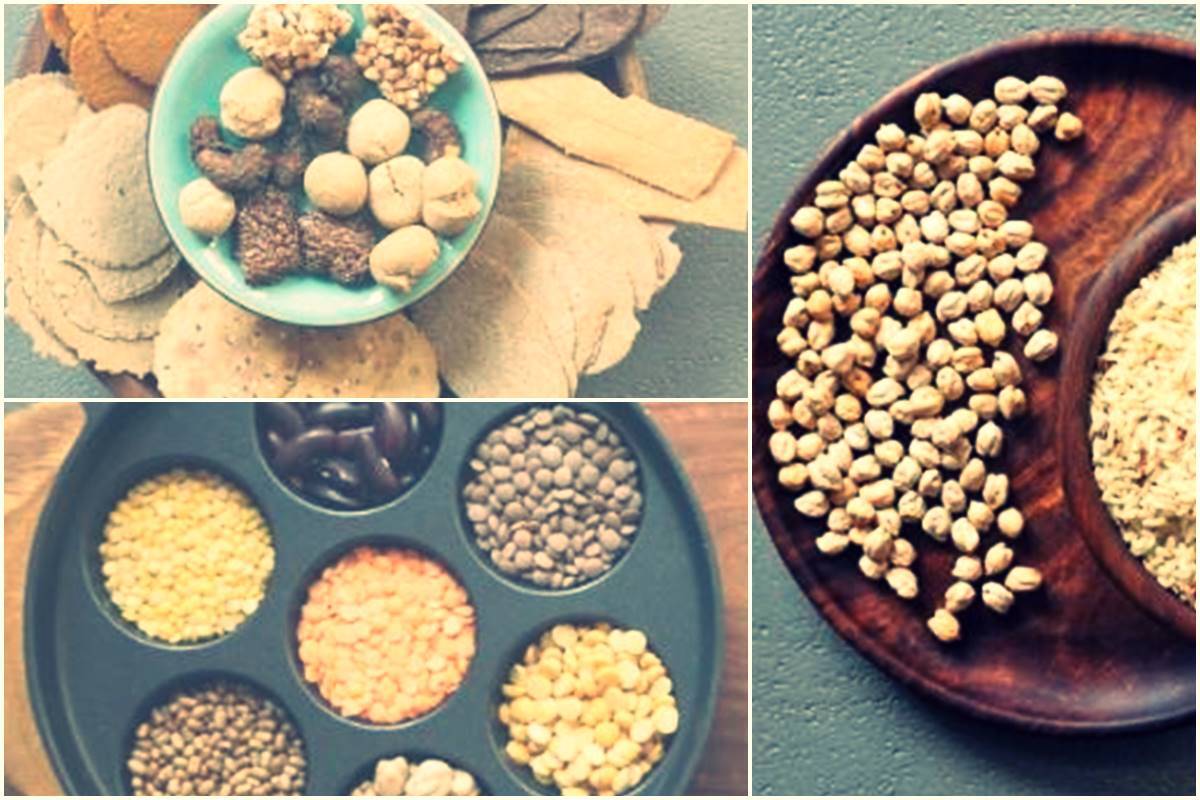
If one positive could be drawn out of the devastating global COVID 19 crisis, it is the fact that this calamitous pandemic has made people more conscious about the need for healthier lifestyles, nutrition as well as their environmental footprint. The need to get rid of our unsustainable lifestyles has gained renewed currency in the post pandemic world. The natural corollary of this shifting consciousness has been a re-emerging interest in healthy eating as well as in naturopathic principles that focus on strengthening the human body from within.
Demand for nutraceuticals and immunity boosting foods has skyrocketed across the world as people seek to bolster themselves against the viral scare. Medicinal herbs, spices, seeds and healthy oils are replacing traditional practices in households as Google search indicated manifold jump in online searches for naturopathic remedies such as giloy and vitamin C. An emerging focus on preventive healthcare is gradually but systematically bringing about a shift in what we eat and the way we eat!
Global shipping costs have climbed to $4,000–$4,500 in October from $2,000–$2,500 in February 2026. Freight rates, which had eased through much of 2025 and early 2026 as the demand-supply balance improved, have rebounded sharply in recent months. The increase has brought shipping costs back into focus for businesses dependent on international cargo movement.
The U.S. Food and Drug Administration (FDA) has finalized guidance outlining how manufacturers should report post-approval manufacturing changes for biosimilar and interchangeable biosimilar products. The guidance provides greater regulatory clarity on changes involving production processes, manufacturing sites, analytical methods, raw materials, and process controls. It aims to ensure product quality while reducing unnecessary regulatory burden.
A significant uptick in M&A activity in the biosimilars sector is being driven by FDA regulatory reforms, a maturing patent litigation framework and a looming patent cliff — $200 billion of branded products are facing patent expiration by 2030.
The Drewry World Container Index edged lower this week as falling Asia-Europe rates outweighed firmer pricing on the Transpacific, with carriers preparing another round of blank sailings ahead of China’s Golden Week holiday.
On 14 July 2026, the European Parliamentary Research Service (EPRS) published a comprehensive briefing on PFAS (per- and polyfluoroalkyl substances), also known as ‘forever chemicals’. The document is intended to serve as a technical basis for MEPs in their upcoming political decisions on PFAS regulation and summarises the current state of scientific knowledge, regulation and procedures.
Following a series of typhoon disruptions in East China during the month of August, major ports including Shanghai and Ningbo continue to experience congestion and operational recovery challenges. Industry reports indicate that vessel schedules, yard operations, and equipment circulation remain affected as terminals work through accumulated backlogs from successive storm events.
Under REACH Annex XVII Entry 78, the EU has banned the placing on the market of synthetic polymer microparticles (SPMs) unless a specific derogation applies. Derogations exist for essential uses such as:
As a result of the amendment of the CLP Regulation (Regulation (EC) No 1272/2008 on the classification, labelling and packaging of substances and mixtures), new hazard classes have entered into force.
In a converging policy shift on both sides of the Atlantic, European regulators this week published a roadmap toward fully replacing animal testing for chemical safety assessments, while the US Environmental Protection Agency issued a rare update to its list of alternative test methods.